Diving Wetsuits for Unmatched Contentment and Proficiency in Water Sports
Diving wetsuits are essential to boosting the satisfaction of water sports enthusiasts. They supply thermal protection, shield the skin, and increase buoyancy. A properly fitted wetsuit decreases water entry, providing comfort and agility. However, picking the right wetsuit necessitates grasping various features and materials. As temperatures and conditions evolve, understanding selection techniques becomes important. The next steps in finding the ideal wetsuit might change how one undertakes aquatic adventures.
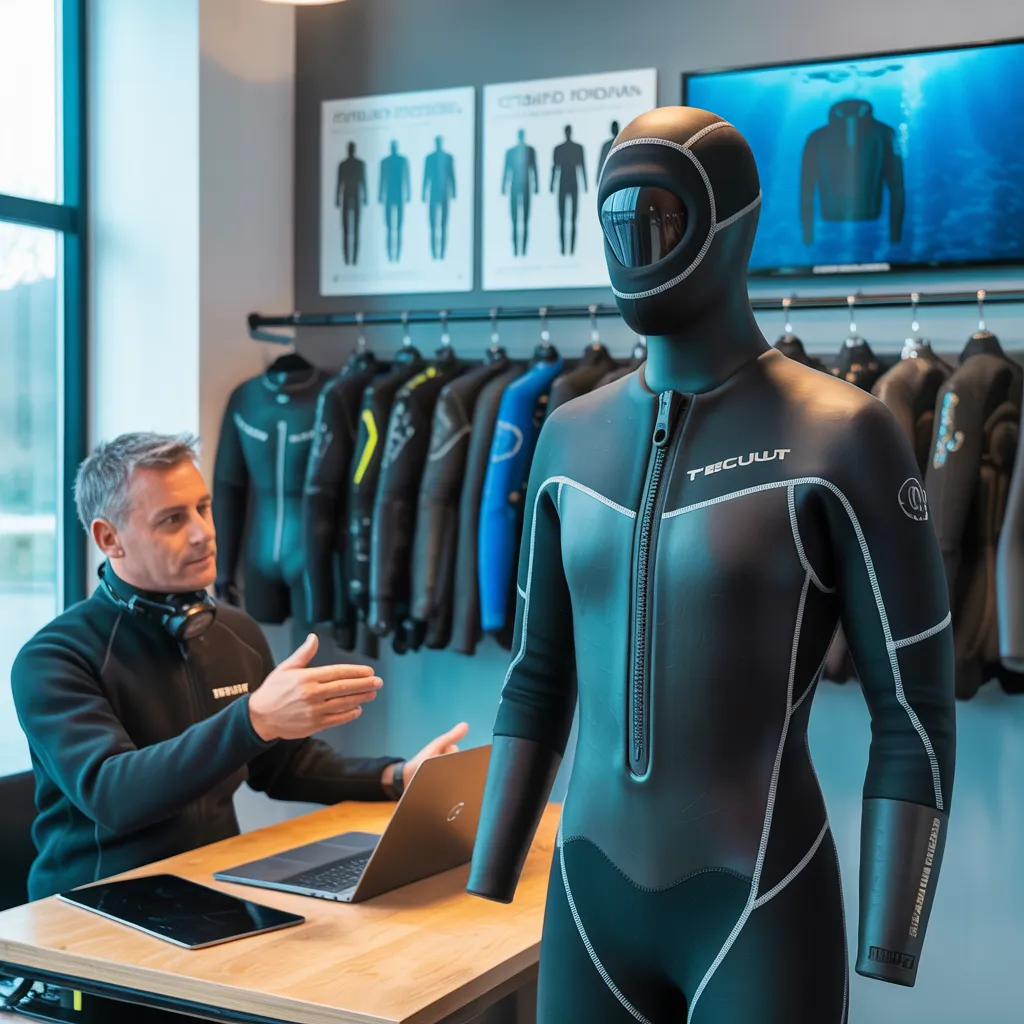
Why Wetsuits Are Important for Water Sports Lovers
Wetsuits serve as important gear for water-based sports enthusiasts, supplying protection and comfort in varying aquatic conditions. These clothing items offer thermal insulation, keeping the body warm in cold waters, which is critical for maintaining stamina and performance. Also, wetsuits shield the skin from abrasions, stings, and injurious UV rays, allowing individuals to engage in activities such as surfing, diving, and snorkeling with reduced risk of injury.
The flotation support supplied by wetsuits boosts overall execution, facilitating easier movement and better control in the water. This buoyancy supports divers in regulating their buoyancy while investigating underwater environments. Additionally, the secure fit of a wetsuit prevents water entry, making certain that individuals remain agile and intent on their sport. For water sports enthusiasts, the right wetsuit becomes an indispensable tool, making a substantial contribution to both wellbeing and delight during their aquatic adventures.
Important Attributes Your Wetsuit Should Have
When picking a wetsuit, knowing the must-have features is important for maximizing performance and comfort in the water. A properly fitted wetsuit ensures minimal water entry, enhancing thermal insulation and buoyancy. The thickness of the neoprene material is critically important; typically, a 3mm to 5mm thickness is recommended depending on water temperature.
Sealed seams serve as another essential component, preventing water from seeping in, thus maintaining warmth during prolonged sessions. Flexibility is fundamental for unrestricted movement, highlighting the importance of ergonomic panels and strategic cutouts. Additionally, a reliable zipper system, whether on the back or front, should provide easy entry and exit, while staying watertight.
Finally, consider extra features like reinforced knees for strength and wrist or ankle seals for a secure fit. These elements collectively contribute to an superior diving experience, guaranteeing both coziness and performance in various water sports activities.
The Role of Material Preferences in Shaping Comfort and Suppleness
The materials found in wetsuits markedly determine both comfort and flexibility. Variability in neoprene thickness can shape warmth and movement, while the pliability of the material plays an important role in overall performance. Comprehending these considerations is essential for selecting the fitting suit for water sports endeavors.
Neoprene Density Inconsistency
The range in neoprene thickness is a vital factor that considerably shapes both comfort and flexibility in diving wetsuits. Thicker neoprene offers increased insulation, making it appropriate for colder waters, while thinner options heighten breathability and cut down bulk. The choice of thickness determines how well the wetsuit molds to the body, affecting overall fit and freedom of movement. A well-designed wetsuit leverages varying thicknesses strategically, allowing for better thermal protection in vital areas while maintaining flexibility in joints and limbs. This balance guarantees that divers can enjoy extended periods in the water without feeling restricted. Ultimately, understanding neoprene thickness variability is important for selecting the appropriate wetsuit tailored to specific diving conditions and personal comfort preferences.
Stretchability and Mobility Features
Selecting the correct wetsuit requires more than simply focusing on neoprene thickness; flexibility and mobility are key for comfort and performance. Selecting the right materials critically shapes how well a wetsuit handles a diver's motions. High-stretch neoprene blends, such as those featuring super-stretch technology, enhance flexibility, allowing for a broader range of motion. Additionally, features like articulated seams and strategic panel designs further improve mobility, minimizing resistance while swimming or diving. A well-fitted wetsuit that emphasizes stretchability not only enhances performance but also reduces fatigue during prolonged water activities. Thus, picking a wetsuit that harmonizes insulation and flexibility is important for optimal comfort and a great time in multiple water sports.
How to Identify Your Ideal Match
Selecting the ideal fit for a wetsuit commences with correctly measuring body proportions. Grasping the assorted thickness alternatives available can equally influence coziness and thermal protection during water thermal wetsuit activities. This blend guarantees superior execution and enjoyment in aquatic spaces.
Recording Your Body Proportions
Achieving the ideal fit for a diving wetsuit relies on accurate body measurements. To commence, one must obtain a flexible measuring tape and take several important measurements: chest, waist, hips, inseam, and height. The chest measurement is critical for ensuring that the suit fits comfortably around the torso, while the waist and hip measurements help adjust the fit around the midsection and lower body. The inseam measurement aids in determining the length of the legs, ensuring proper coverage. Finally, height provides an overall scale for the suit's dimensions. It is advisable to wear minimal clothing while measuring for the most exact results. Exact measurements will greatly improve comfort and performance in water sports, making sure a superior diving experience.
Grasping Wetsuit Thickness Possibilities
When picking a wetsuit, knowing the various thickness options is crucial for ideal performance and comfort in different water conditions. Wetsuits typically span 2mm to 7mm in thickness, affecting flexibility and insulation. A 2mm suit is suitable for warm water, providing minimal thermal protection while allowing range of motion. In contrast, a 5mm wetsuit provides a balance for cooler waters, ensuring adequate warmth without compromising flexibility. For frigid conditions, a 7mm suit is recommended, delivering maximum insulation but potentially restricting mobility. It's important to take into account personal tolerance to cold, the duration of water exposure, and activity type when choosing a thickness. Ultimately, the right fit enhances both comfort and performance during aquatic adventures.
Thermal Control: Maintaining Warmth in Chilly Waters
In frigid aquatic settings, effective temperature control is essential for maintaining comfort and safety during aquatic activities. Thermal suits are designed to trap a thin layer of water against the skin, which warms up from body heat, creating an thermal barrier. The thickness and material of a thermal suit significantly affect its thermal performance; neoprene is the most common choice due to its superior thermal qualities.
Moreover, wetsuits regularly use features such as hermetic seams and thermal linings to enhance heat retention. The fit of the wetsuit is significant; a secure fit curtails water exchange, preventing the drain of warmth.
In colder conditions, water sports athletes may prefer extra accessories including hoods, hand protection, and booties to enhance heat retention. By grasping these elements of temperature control, aquatic athletes can choose proper equipment to guarantee a enjoyable experience in chilly waters.
Choosing the Best Wetsuit Style for You
Deciding on the proper wetsuit type can considerably shape comfort and performance during water sports. Multiple factors determine this decision, including water temperature, activity type, and personal fit preference.
Full wetsuits, covering the whole body, are perfect for colder waters, providing optimal insulation. Meanwhile, shorty wetsuits, which have short sleeves and legs, provide more freedom of movement and are more appropriate for warmer conditions. For those participating in high-intensity activities like surfing, a thinner wetsuit may improve flexibility without sacrificing too much heat retention.
Moreover, it is necessary to evaluate the material. Neoprene thickness varies, with thicker options providing more warmth but reduced mobility. Conversely, thinner materials enable for greater mobility but may demand additional thermal layers in colder environments. Ultimately, individuals should assess their specific needs and preferences to pick the wetsuit type that will optimize their experience in the water.
Essential Tips for Maintaining Your Diving Suit
Proper handling for a wetsuit can markedly prolong its service life and maintain its operation. After every wearing, it is critical to rinse the wetsuit thoroughly with clean water to extract salt, sand, and chlorine that can degrade the composition. Do not use harsh detergents; instead, opt for specialized wetsuit products.
During the air-drying process, the wetsuit must be hung inside out in a shaded location, kept away from direct sunlight, which can fade colors and weaken the neoprene. Placing the wetsuit flat or on a wide hanger prevents creases and maintains its shape.
Inspect your wetsuit consistently for signs of wear, including tears or leaks, and repair them without delay to prevent further damage. Additionally, avoid stepping on the wetsuit when putting it on or taking it off, since this can lead to unwanted strain or ripping. Proper attention guarantees peak performance and enjoyment in water sports.
Often Asked Questions
Can a Wetsuit be worn for Purposes Other than Diving?
Yes, protective suits can be applied for distinct water activities, like surfing, paddleboarding, and snorkeling. They present thermal insulation, buoyancy, and protection from abrasions, making them versatile for diverse aquatic habitats and situations.
How Should I Properly Maintain My Wetsuit Storage?
To correctly preserve a wetsuit, wash it with clean water, allow it to dry in shade, and hang it on a wide hanger. Avoid folding to prevent creases and maintain the suit's integrity.
What Markers Reveal a Damaged Wetsuit?
Signs of wetsuit damage feature visible tears, thinning material, peeling neoprene, and weakened seams. Also, water leaks during use or an unusual odor may point to deterioration, necessitating repair or replacement for peak performance.
Is Skin discomfort Triggered by Wetsuits?
Yes, wetsuits can trigger epidermal sensitivity due to causes like poor fitting, fabric allergies, or extended wear. Manifestations may include rashes, friction irritation, or allergic responses, motivating users to consider alternative materials or better-fitting options.
How many times Should I Replace My Wetsuit?
Wetsuits ought to be changed out every 3-5 years, influenced by usage frequency and proper maintenance. Damage signs, such as pallor or compromised seams, reveal that purchasing a replacement is required to sustain effectiveness.